
For Patients

Understanding your heart condition and this clinical trial in plain language.
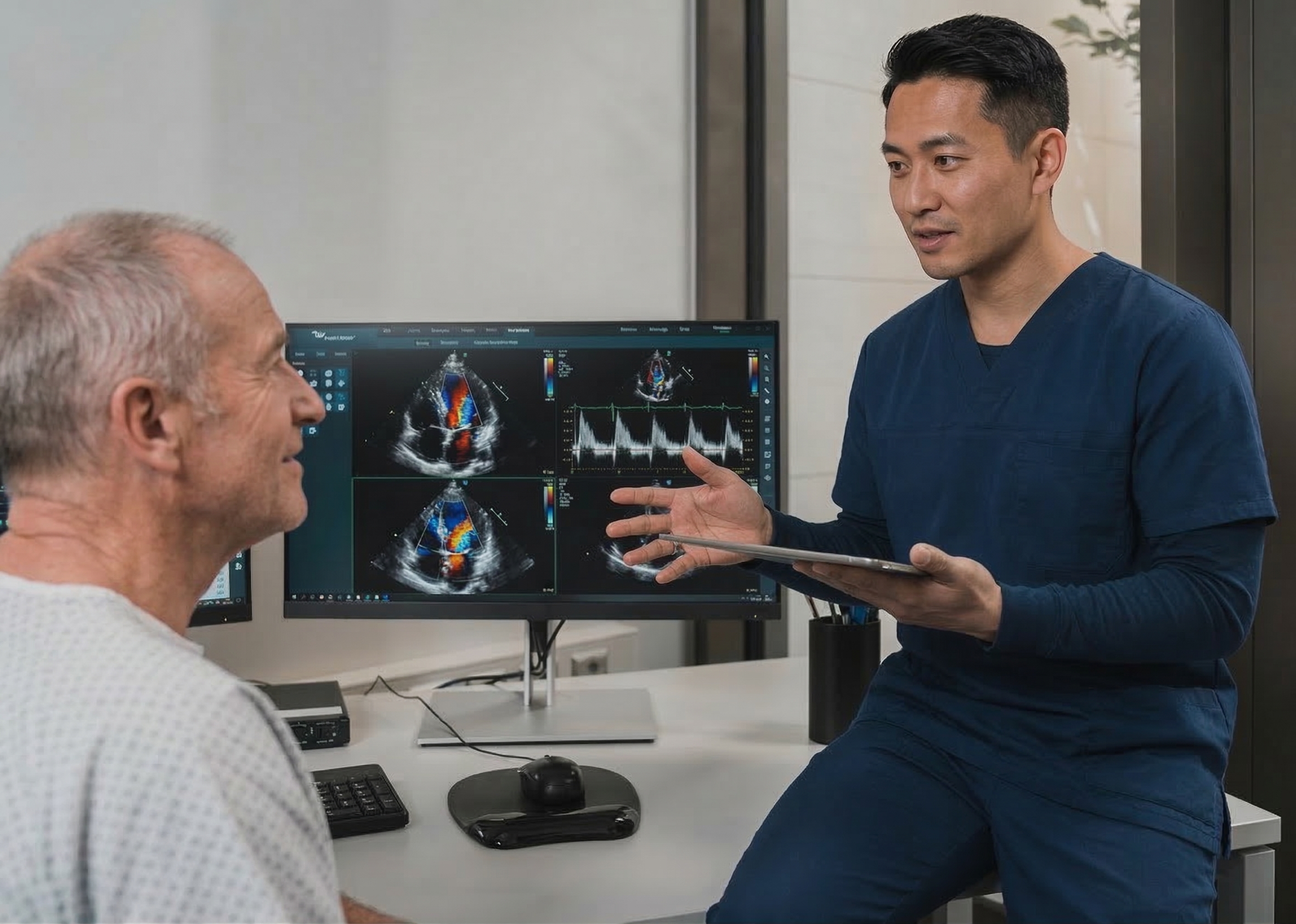
Patient with doctor discussing heart health
Condition Overview

Understanding Atrial Fibrillation (AF)

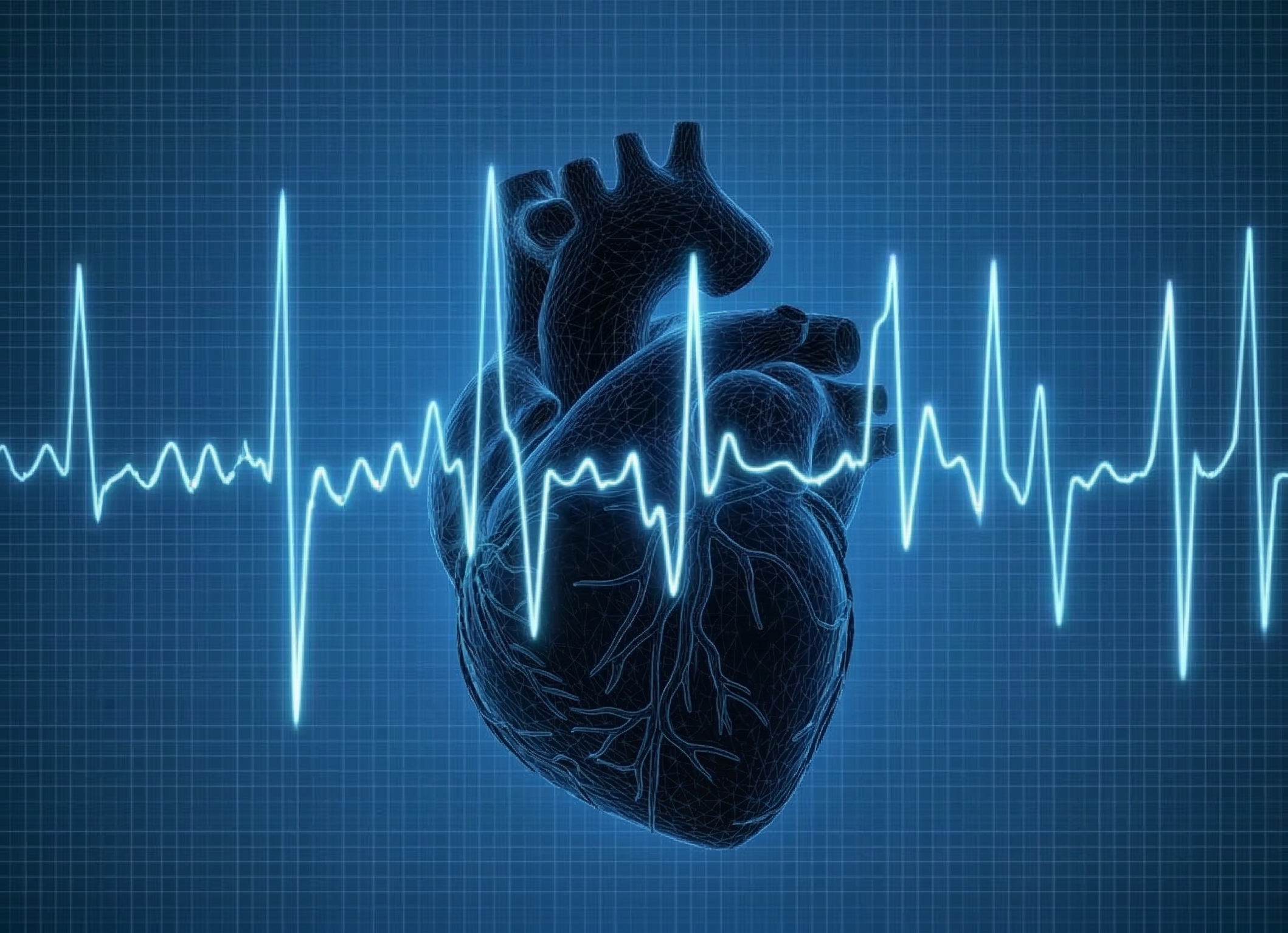
Atrial fibrillation is the most common heart rhythm disorder. In AF, the heart's upper chambers (the atria) beat irregularly and often too fast, instead of in a steady, coordinated rhythm. This can reduce how effectively your heart pumps blood to the rest of your body.

AF is especially common in people over age 65 and is closely linked to risk factors such as high blood pressure, diabetes, and existing heart disease.
  • Palpitations — a fluttering or racing feeling in the chest
  • Shortness of breath, especially with activity
  • Fatigue and reduced energy
  • Dizziness or lightheadedness
  • Chest discomfort or pressure
Heart failure care
Condition Overview

Understanding HFpEF

Heart Failure with Preserved Ejection Fraction (HFpEF) is a type of heart failure where the heart pumps normally — with an ejection fraction of 50% or higher — but the heart muscle has become stiff and does not fill with blood properly between beats.

Because the heart cannot fill efficiently, fluid can build up in the lungs, legs, and abdomen. HFpEF is very common, affecting roughly 30 to 40 percent of all heart failure patients, and is particularly frequent in older adults. In this trial, we focus on patients with NYHA Class II or III symptoms — meaning noticeable limitations during everyday physical activity.

  • Shortness of breath with physical activity
  • Swelling in the legs, ankles, or feet
  • Fatigue and weakness during daily tasks
  • Fluid buildup and weight gain
  • Difficulty exercising or reduced stamina
The Combined Challenge

Why AF and HFpEF Together Matter

When these two conditions occur at the same time, each one makes the other worse — creating a cycle that is difficult to break.

A Vicious Cycle

  • The irregular heartbeat of AF reduces the heart's filling efficiency even further in a stiff heart
  • Approximately 1.2 million Americans live with both conditions simultaneously
  • Each condition accelerates the progression of the other
  • Loss of the atrial "kick" (coordinated contraction) is especially harmful when the heart is already stiff

What the Numbers Show

  • 25 to 60% chance of a major heart event over 5 years
  • Higher rates of hospitalization, stroke, and reduced quality of life
  • Currently no proven treatment strategy designed specifically for this combination
  • Existing guidelines treat AF and HFpEF separately — CABANA-HF aims to change that

Why This Trial Matters

Despite how common this combination is, no large-scale study has yet shown whether treating the heart rhythm problem with catheter ablation — on top of the best heart failure medications — can improve outcomes. CABANA-HF is designed to answer that question.

Treatment Approaches

Treatment Options in This Trial

Every participant receives excellent medical care. The study compares two strategies to find out which approach gives the best results.

Catheter Ablation + GDMT

Catheter ablation is a minimally invasive procedure in which thin, flexible tubes (catheters) are guided through a blood vessel to the heart. The catheters deliver energy to treat the small areas of heart tissue that are causing the irregular rhythm.

  • Pulmonary vein isolation (PVI) is the standard approach — isolating the electrical triggers in the pulmonary veins
  • Pulsed field ablation (PFA) is the preferred modern technique, using electrical pulses that selectively target heart tissue
  • The procedure is done alongside optimal heart failure medications (GDMT)
  • Typically performed under sedation in a specialized cardiac lab

Guideline-Directed Medical Therapy (GDMT)

GDMT means receiving the best available medications for heart failure, chosen based on the latest clinical guidelines. These medications have been shown to help the heart work more effectively, reduce fluid buildup, and improve symptoms.

  • SGLT2 inhibitors — medications originally developed for diabetes that have powerful heart failure benefits
  • Mineralocorticoid receptor antagonists (MRAs) — help reduce fluid retention and protect the heart
  • Angiotensin receptor-neprilysin inhibitors (ARNI) — help the heart pump more efficiently
  • GLP-1 receptor agonists — additional medications with cardiovascular benefits
  • Plus rate or rhythm control drugs for AF, at your doctor's discretion
Study Details

About the Trial

Here is what you should know about how CABANA-HF works, explained in plain language.

How the Study Works

  • This is a randomized clinical trial — participants are assigned to one of two groups by chance, like flipping a coin
  • One group receives catheter ablation plus the best medications; the other receives the best medications alone
  • This is not a placebo trial — both groups receive excellent, active medical care
  • There is a 3-month adjustment period after treatment to allow medications to be optimized
  • Follow-up visits occur every 3 to 6 months over the course of the study

By the Numbers

  • 1,552 patients will be enrolled in the study
  • 120+ clinical sites participating across the globe
  • 12 countries represented
  • Active follow-up for 2+ years after enrollment

Monitoring Your Heart

  • AliveCor device — a portable device you use at home for daily heart rhythm checks
  • Periodic patch monitors — wearable patches that record your heart rhythm continuously over several days
  • Regular clinic visits with your study team
  • All monitoring is designed to be simple and minimally disruptive to your daily life

Your Safety

  • An independent Data Safety Monitoring Board oversees the trial
  • You can withdraw from the study at any time for any reason
  • Your medical team will continue to monitor you closely throughout
  • All procedures follow strict international safety standards
Common Questions

Frequently Asked Questions

Answers to the questions patients and families ask most often.

Who can participate?

To be eligible, you must be 18 or older and have both atrial fibrillation and heart failure with a preserved ejection fraction.

For your atrial fibrillation, you need:

  • AF documented on an ECG — paroxysmal (comes and goes), persistent, or long-standing persistent
  • To be a suitable candidate for catheter ablation

For your heart failure, you need:

  • An ejection fraction greater than 40%
  • NYHA Class II or III symptoms (noticeable limitations during everyday activities)

In addition, you need at least one of the following:

  • A heart failure hospitalization in the past 12 months
  • Elevated heart failure blood markers (NT-proBNP or BNP) in the past 6 months
  • Elevated pressure in the heart measured during a right heart catheterization in the past 12 months

Some health conditions would make this trial unsafe or unsuitable for you — for example, severe valve disease, certain other heart rhythm problems, a recent heart attack or heart surgery, or a reason you cannot take blood thinners. Women who are pregnant, breastfeeding, or planning to become pregnant cannot take part.

Your study team will review all the criteria with you in detail.

What happens if I am randomized to the medication-only group?

You will receive the best available heart failure medications, carefully optimized by your medical team according to the latest clinical guidelines. This is excellent, evidence-based care.

Crossover to the ablation group is strongly discouraged during the study period, because allowing crossovers would make it very difficult to determine which treatment strategy truly works better. Maintaining this separation is essential to the scientific integrity of the trial and to getting a clear answer that will help future patients.

How long does the study last?

Active follow-up continues for 2 or more years after you are enrolled. During this time, you will have regular visits with your study team every 3 to 6 months. These visits include check-ups, heart rhythm monitoring, and assessments of how you are feeling.

What are the risks?

All medical treatments carry some degree of risk. Catheter ablation risks may include bleeding at the catheter insertion site, infection, or temporary changes in heart rhythm. These complications are uncommon, and the procedure is performed by experienced specialists.

Medication risks depend on the specific drugs prescribed and may include side effects such as dizziness, changes in blood pressure, or kidney function changes. Your medical team will monitor you closely and adjust medications as needed.

Before you agree to participate, the study team will discuss all potential risks and benefits with you in detail as part of the informed consent process.

Will I be compensated?

Compensation and travel support vary by study site. Please discuss the specifics with your local study team, who can provide details about what support is available at your location.

Patient Voices

Community Engagement

Ensuring that the patient perspective is at the center of everything we do.

Community Engagement Panel

  • A dedicated 6-member panel of patient advocates and community representatives
  • The panel advises on study design, patient materials, and recruitment strategies
  • Ensures that the trial addresses the real-world concerns of patients and their families
  • Helps make study materials clear, accessible, and culturally appropriate

Ensuring a Representative Patient Population

  • Partnerships with WomenHeart, StopAfib.org, and Care Access to reach underrepresented communities
  • Enrollment target of greater than 40% women to ensure results apply broadly
  • Informed consent documents available in multiple languages
  • Study sites chosen to serve diverse patient populations across 12 countries

Your Voice Matters

Clinical trials work best when they reflect the communities they aim to serve. CABANA-HF is committed to making this study accessible, inclusive, and responsive to patient needs at every step.

Interested in Participating?

If you or a loved one has been diagnosed with atrial fibrillation and heart failure, we would like to hear from you. Reach out to learn more about the CABANA-HF trial.

Get in Touch